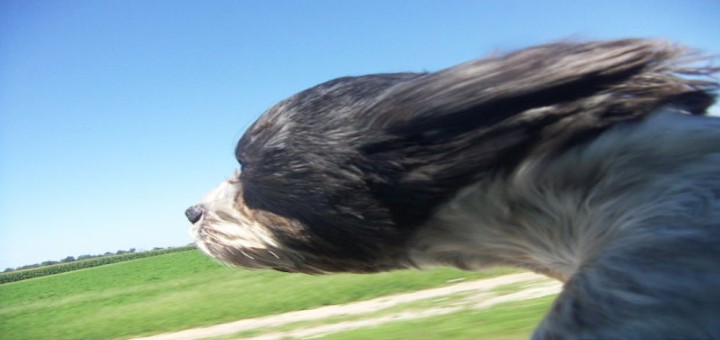
Imagine yourself, finally on deck, the salty air kissing your face, the vast ocean stretching out before you. Your dream cruise is here! But if you're anything like many pet parents, a niggling worry might be tugging at you: your furry friend's potential seasickness. Planning a cruise involves so many exciting choices, and ensuring your beloved companion enjoys the journey as much as you do is paramount.
Navigating cruise ship layouts and understanding how different decks and cabins can impact your pet’s comfort is key. This guide is your secret weapon to selecting the best options for a smooth, enjoyable voyage for everyone. By understanding the dynamics of motion on a ship and which areas experience it least, you can significantly reduce the chances of your pet feeling unwell.
One simple yet powerful tip is to choose a cabin in the middle of the ship, both horizontally and vertically. These cabins experience the least amount of motion, similar to how the middle seats on an airplane offer a smoother ride. This strategic decision can make a world of difference for your pet's comfort.
Understanding Motion on a Cruise Ship
The size and design of a cruise ship significantly impact how it handles the motion of the ocean. Larger ships generally offer a more stable experience than smaller vessels because their increased size gives them more resistance to waves. Think of it like this: a small cork will bob around wildly on the water, while a large log will remain much steadier. Modern cruise ships are also equipped with stabilizers, which are essentially underwater wings that counteract the ship's rolling motion. These stabilizers play a crucial role in minimizing the effects of waves, making the journey more comfortable for passengers and their furry companions.
Understanding the ship's layout is also crucial. The center of the ship, both horizontally (midship) and vertically (lower decks), experiences less motion than the outer edges and higher decks. This is because the center of the ship acts as a pivot point, where the effects of rolling and pitching are minimized. Visualizing the ship as a seesaw can help illustrate this point; the middle of the seesaw barely moves compared to the ends.
Knowing your ship’s route, typical weather patterns, and potential for rough seas allows you to be even more proactive in your cruise planning. You can often find information about average sea conditions for specific routes and times of the year online or by talking to a cruise specialist. Armed with this knowledge, you can make even more informed decisions about cabin selection and prepare accordingly.
Choosing the Best Deck and Cabin Location
Selecting the right deck and cabin is paramount for minimizing motion sickness. As mentioned earlier, cabins located midship on lower decks offer the most stable environment. When reviewing deck plans, pay close attention to the location of elevators and stairwells as these can be helpful landmarks to identify the central area of the ship. Cabins near the ship's center of gravity are less susceptible to the effects of rolling and pitching.
Avoid cabins at the very front (bow) or very back (stern) of the ship, as these areas tend to experience the most motion. The higher the deck, the more noticeable the movement will be, so opt for lower deck cabins whenever possible. While ocean-view cabins might seem appealing, consider whether a lower-deck inside cabin might be a better choice for your pet's comfort. You can always enjoy the ocean views from the public decks!
Consider the proximity of your cabin to potentially noisy areas like the engine room, elevators, or public spaces. While motion sickness is the primary concern, a peaceful and quiet environment will further contribute to your pet’s overall well-being. Check deck plans for nearby features and read reviews from other pet parents to get an idea of noise levels.
Which decks are best on Avoiding Motion Sickness in Pets?
Lower decks, particularly those closest to the ship's waterline, are generally the best choice. These decks experience less motion compared to the higher decks. When examining deck plans, look for cabins in the middle of the ship on decks 2, 3, or 4, if available.
Are there cabins to avoid on Avoiding Motion Sickness in Pets?
Absolutely. Avoid cabins located on the higher decks (decks 10 and above), as well as those at the very front or back of the ship. These cabins are more prone to the effects of wave action and are likely to experience more noticeable motion.
Pre-Cruise Preparations and Onboard Strategies
Before setting sail, consult with your veterinarian about motion sickness remedies suitable for your pet. There are both over-the-counter and prescription medications that can help alleviate symptoms. Always follow your veterinarian's instructions carefully and administer any medication as directed. Consider a trial run before the cruise to see how your pet reacts to the medication.
Acclimating your pet to their travel carrier or crate is also crucial. Spend time familiarizing them with the carrier in the weeks leading up to the cruise, making it a comfortable and safe space. Use positive reinforcement techniques, such as rewarding them with treats and praise when they enter the carrier.
Onboard the ship, maintain a calm and consistent routine for your pet. Feed them at regular intervals and provide plenty of opportunities for rest and relaxation. If possible, take them to designated pet-friendly areas on the ship to explore and stretch their legs. Keeping your pet hydrated is also essential, so ensure they have access to fresh water at all times.
Consider using calming aids like pheromone diffusers or sprays in your cabin. These products can help reduce anxiety and promote a sense of well-being in your pet. Bringing familiar items from home, such as their favorite blanket or toy, can also provide comfort and security.
Monitor your pet closely for signs of motion sickness, such as excessive drooling, vomiting, lethargy, or loss of appetite. If you notice any of these symptoms, consult with the ship's medical staff or your veterinarian for guidance. Early intervention can help prevent the symptoms from worsening.
Understanding Ship Stabilizers
Ship stabilizers are a marvel of modern engineering designed to reduce the rolling motion of a ship. These devices are essentially underwater fins that extend from the sides of the hull and automatically adjust their angle to counteract the force of the waves. By actively stabilizing the ship, they minimize the side-to-side movement that can contribute to motion sickness.
While stabilizers are effective, they cannot eliminate motion entirely. The degree of stabilization depends on various factors, including the size of the ship, the type of stabilizer system, and the severity of the sea conditions. However, they significantly improve the overall stability of the ship, making the journey more comfortable for passengers and pets alike.
When researching different cruise lines and ships, inquire about the type of stabilizer system they employ. Some ships may have more advanced stabilizers than others, resulting in a smoother ride. Reading reviews from other cruisers can also provide valuable insights into the effectiveness of the ship's stabilizers.
It's important to remember that stabilizers are most effective when the ship is moving. At anchor or in port, the stabilizers are typically retracted, and the ship may experience more motion. If you anticipate spending a significant amount of time at anchor, factor this into your cabin selection and motion sickness prevention strategies.
How effective are ship stabilizers for pets?
Ship stabilizers significantly improve the overall comfort of a cruise, which helps reduce motion sickness triggers in pets. While they don't eliminate motion entirely, they lessen the severity of rolling, making it easier for pets to adjust and remain comfortable.
Do all cruise ships have stabilizers?
Most modern cruise ships are equipped with stabilizers, but it's always best to confirm this information directly with the cruise line. Older or smaller vessels may not have stabilizers, so it's crucial to research this aspect when planning your trip.
Alternative Remedies and Comfort Measures
Besides medication, several alternative remedies and comfort measures can help alleviate motion sickness in pets. Ginger, for example, is a natural anti-nausea remedy that has been used for centuries. You can give your pet ginger capsules or ginger snaps before the cruise to help settle their stomach. Always consult with your veterinarian before administering any new supplements or remedies.
Acupressure is another alternative therapy that may provide relief from motion sickness. Applying gentle pressure to specific acupressure points on your pet's body can help reduce nausea and vomiting. Researching acupressure points for motion sickness in pets can be a useful addition to your pre-cruise preparation.
Creating a calm and relaxing environment in your cabin is also crucial. Play soothing music or use aromatherapy diffusers with pet-safe essential oils to help your pet feel more at ease. Keep the cabin dimly lit and maintain a comfortable temperature.
Providing your pet with a comfortable and supportive bed can also make a difference. A memory foam bed or a plush blanket can help cushion their body and reduce any discomfort caused by the ship's motion.
Finally, remember that your pet's emotional well-being is just as important as their physical health. Spend quality time with them, offering reassurance and affection. A calm and confident owner can help ease your pet's anxiety and make the cruise a more positive experience for everyone.
Planning a cruise with your pet requires extra attention and preparation, but the reward of sharing this incredible experience with your furry friend is immeasurable. By understanding the dynamics of motion on a cruise ship, choosing the right cabin, and implementing pre-cruise and onboard strategies, you can minimize the risk of motion sickness and ensure a smooth and enjoyable voyage for both of you. With a little planning, you can create memories that will last a lifetime, sailing into the sunset with your best friend by your side. Bon voyage!
Posting Komentar untuk "Avoiding Motion Sickness in Pets"