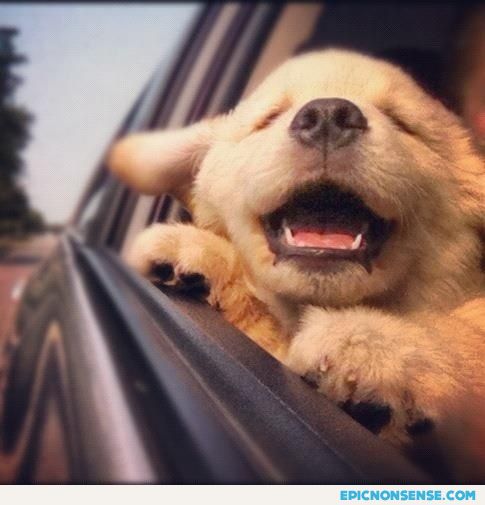
The hum of the engine, the blurring scenery – for some dogs, it's the soundtrack to adventure. For others, it’s pure anxiety. But a stressed pet isn't just a sad passenger, it's a distraction, and distracted driving leads to inefficient driving – and potentially dangerous situations. Getting your furry friend comfortable in the car benefits everyone on board.
A relaxed pet means a relaxed driver, and a relaxed driver is more likely to practice smooth acceleration and braking, maintain a steady speed, and anticipate traffic flow – all key components of eco-driving. These eco-friendly driving habits translate into fewer sudden stops and starts, less wasted fuel, and a reduced carbon footprint. Plus, a happy pet enjoys the ride, which makes for a happier driver and a greener journey!
Start small! Today, take your pet just outside to the car. Let them sniff around and explore without pressure. This simple exposure can begin the desensitization process.
How to Make Your Pet Love Car Rides
Many pet owners dream of road trips with their beloved companions, but the reality can often be filled with whining, panting, and even car sickness. Transforming your pet's dread into delight takes patience, understanding, and a strategic approach. Let's break down how to make car rides a positive experience for your furry friend, benefitting both their well-being and your fuel economy.
Creating a Positive Association
The first step is to create positive associations with the car itself. Instead of only associating the car with vet visits or trips to the groomer (places they might find stressful), start by making the car a fun and rewarding place.
Start with Stationary Sessions: Begin by simply spending time in the parked car with your pet. Offer treats, toys, and lots of praise. Make sure the car is at a comfortable temperature – neither too hot nor too cold. Keep these sessions short and sweet, gradually increasing the duration as your pet becomes more comfortable. Introduce the Engine: Once your pet is relaxed in the parked car, try turning on the engine for a few minutes. Continue offering treats and praise to associate the engine noise with positive experiences. Short Drives: After several successful stationary sessions with the engine running, it's time for very short drives around the block. Again, keep the atmosphere positive with treats and praise. Destination Matters: Choose destinations that your pet enjoys. A trip to the dog park, a scenic walk, or even just a visit to a friend's house can help your pet associate car rides with fun activities. End on a High Note:Always end each car ride on a positive note. A fun activity or a special treat after the ride will reinforce the good experience.
Addressing Car Sickness
Car sickness is a common problem for many pets, and it can make car rides a truly miserable experience. Here's how to tackle it: Consult Your Veterinarian: Before embarking on any car-training program, consult your veterinarian. They can rule out any underlying medical conditions and recommend appropriate treatments for car sickness, such as anti-nausea medication. Empty Stomach (But Not Too Empty): Avoid feeding your pet a large meal right before a car ride. However, an empty stomach can also contribute to nausea, so a small, easily digestible meal a few hours before the trip is ideal. Proper Ventilation: Ensure adequate ventilation in the car. Fresh air can help reduce nausea. Open a window slightly or use the air conditioning. Forward-Facing: If possible, position your pet so they are facing forward. This can help reduce motion sickness. Frequent Stops: For longer trips, make frequent stops to allow your pet to stretch their legs, drink water, and relieve themselves. Ginger: Some pet owners find that ginger can help alleviate car sickness. Consult your veterinarian before giving your pet any supplements.
What about anxiety medication for car rides?
Anxiety medication can be a helpful tool for some pets, but it's crucial to consult with your veterinarian before using it. They can assess your pet's specific needs and recommend the most appropriate medication and dosage.
Creating a Comfortable and Safe Environment
A comfortable and safe environment is essential for making your pet feel secure during car rides.
Secure Restraint: Never allow your pet to roam freely in the car. A loose pet can be a major distraction and a safety hazard. Use a pet carrier, a seatbelt harness, or a pet car seat to keep your pet secure. Comfortable Bedding: Provide a comfortable bed or blanket for your pet to lie on. Familiar scents can help reduce anxiety. Familiar Toys: Bring along your pet's favorite toys to provide distraction and comfort. Temperature Control: Ensure the car is at a comfortable temperature. Pets can overheat quickly, especially in hot weather. Never leave your pet unattended in a parked car, even for a short period. Sun Protection:Use sunshades to protect your pet from direct sunlight.
The Benefits of a Calm Pet for Fuel Efficiency
While it may seem unrelated, a calm pet actually contributes to better fuel efficiency. When your pet is anxious or agitated, you're more likely to be distracted, leading to: Erratic Driving: Distractions can cause you to brake suddenly, accelerate harshly, and make other erratic maneuvers, all of which consume more fuel. Increased Stress: Stress can lead to aggressive driving habits, such as speeding and tailgating, which are also fuel-inefficient. Missed Opportunities:A distracted driver is less likely to anticipate traffic flow and make smooth, efficient lane changes, resulting in wasted fuel.
By creating a calm and comfortable environment for your pet, you're not only improving their well-being, but also contributing to safer and more fuel-efficient driving habits. It's a win-win situation! You'll start to notice significant improvement in your MPG.
How much can improving MPG actually save me?
The amount you can save by improving your MPG depends on several factors, including how much you drive, the type of vehicle you drive, and the price of gas. However, even a small improvement in MPG can add up to significant savings over time. For example, improving your MPG from 20 to 25 can save you hundreds of dollars per year.
Beyond the Car: Continuing the Positive Association
The positive association shouldn't end when the car ride is over.
Positive Reinforcement: Continue to reward your pet with treats, praise, and affection after each car ride. Consistency: Be consistent with your training efforts. Regular, short sessions are more effective than infrequent, long sessions. Patience: Be patient with your pet. It may take time for them to overcome their fear or anxiety of car rides. Listen to Your Pet: Pay attention to your pet's body language. If they are showing signs of stress, such as panting, whining, or trembling, take a break and reassess your approach.
By understanding your pet's fears, creating positive associations, and ensuring a comfortable and safe environment, you can transform car rides from a source of stress to a pleasant experience for both you and your furry companion. Remember that saving gas tips also benefit you financially, which will save you more money to spend on your pet!
What if my pet never gets used to car rides?
It's possible that some pets may never fully enjoy car rides, despite your best efforts. However, you can still make the experience more manageable for them by following the tips outlined above. If your pet's anxiety is severe, talk to your veterinarian about alternative options, such as using a pet sitter or hiring a pet taxi.
Making small changes in your driving habits and your pet’s car-riding experience truly adds up. By focusing on eco-friendly driving and your pet's well-being, you're not only saving money at the pump but also reducing your impact on the environment. Commit to practicing these habits consistently, and you'll be amazed at the difference you can make. It’s about being mindful and making conscious choices every time you get behind the wheel, with or without your four-legged friend!
Posting Komentar untuk "How to Make Your Pet Love Car Rides"