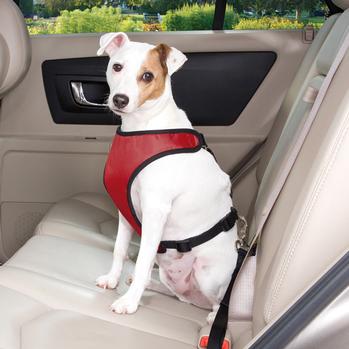
Did you know that a simple change in your driving habits could significantly boost your fuel efficiency, saving you money at the pump? It's true! And one unexpected factor contributing to distracted driving (and therefore, lower MPG) is our furry friends in the car. Ensuring their safety isn't just about love; it's about driving smarter and safer.
This might sound surprising, but properly restraining your pet in the car is a surprisingly effective way to improve your focus and, subsequently, your fuel economy. A loose pet can be a major distraction, leading to erratic braking and acceleration, both of which guzzle gas. Plus, by driving more responsibly, you're contributing to a greener planet. It's a win-win!
Here’s a quick tip to get started: Before your next trip, even a short one, make sure your pet is safely secured in a carrier or with a pet seatbelt. Notice how much calmer you feel, leading to smoother, more fuel-efficient driving.
Pet Restraint Laws Every Driver Should Know
Driving with pets is a common occurrence for many of us. Whether it's a trip to the vet, a weekend getaway, or just a quick errand, our furry companions often join us on the road. But are you aware that many states have laws in place regarding pet restraints in vehicles? These laws aren't just about protecting your pet; they're about ensuring the safety of everyone on the road, which ultimately contributes to more mindful, fuel-efficient driving. Understanding these regulations is crucial to avoid fines, prevent accidents, and improve MPG by minimizing distractions.
While a national pet restraint law doesn't exist, a growing number of states are enacting legislation to address this issue. The primary goal is to prevent distracted driving caused by unrestrained animals. Think about it: a dog jumping between seats, a cat perched on the dashboard—these scenarios can quickly lead to accidents.
Understanding the Landscape of Pet Restraint Laws
The specifics of pet restraint laws vary considerably from state to state. Some states have outright bans on pets riding in certain areas of the vehicle (like the driver's lap). Others focus on broader definitions of distracted driving, where an unrestrained pet could be considered a contributing factor in an accident. And some locations have no specific laws about pet restraints, which can give a false sense of security.
Here's a breakdown of what you need to be aware of: Specific Pet Restraint Laws: Some states have laws that specifically address how pets must be restrained in vehicles. These laws often require pets to be in carriers, harnesses, or pet seatbelts. Failure to comply can result in fines. Distracted Driving Laws: Even if a state doesn't have a specific pet restraint law, distracted driving laws can still apply. If an unrestrained pet contributes to an accident, the driver could face penalties. Animal Cruelty Laws:In some cases, transporting a pet in a way that endangers its well-being could be considered animal cruelty, leading to further legal consequences.
Examples of State Laws
California: California Vehicle Code Section 23117 states that animals cannot be transported in the back of a vehicle without being properly secured to prevent the animal from falling, jumping, or being thrown from the vehicle. Massachusetts: While not a strict pet restraint law, Massachusetts General Law Part I, Title XIV, Chapter 89, Section 13A addresses transporting dogs on public ways. It prohibits carrying a dog on the running board, fender, hood, or any other exterior part of a motor vehicle, with a fine for violation. New Jersey:New Jersey Statute 4:22-25 makes it illegal to transport an animal in a cruel or inhumane manner, which can include failing to properly restrain a pet.
It's your responsibility as a pet owner and a driver to know the laws in your state and any states you travel through. This knowledge will keep you out of trouble and allow you to drive safely and responsibly, promoting fuel economy.
Choosing the Right Pet Restraint
Once you understand the legal requirements, the next step is selecting the appropriate restraint for your pet. The best option will depend on your pet's size, temperament, and the type of vehicle you drive. Here are some popular choices: Pet Carriers: These are ideal for smaller animals like cats and small dogs. Carriers provide a secure, enclosed space that can help reduce anxiety and prevent wandering. Be sure the carrier is well-ventilated and properly secured in the vehicle. Pet Seatbelts: These harnesses attach to your car's seatbelt system, keeping your dog safely in place. Look for seatbelts that have been crash-tested for safety. Pet Car Seats: Designed for small to medium-sized dogs, pet car seats elevate your pet, giving them a better view while keeping them restrained. Cargo Barriers: If you have an SUV or hatchback, a cargo barrier can prevent your pet from accessing the front seats. This is a good option for larger dogs who need more space.
When choosing a restraint, consider these factors: Safety: Look for products that have been crash-tested and meet safety standards. Comfort: Make sure the restraint is comfortable for your pet to wear or sit in. Ease of Use: Choose a restraint that is easy to install and use. Size: Ensure the restraint is the correct size for your pet.
Remember, introducing a new restraint can take time. Start by letting your pet get used to the restraint in your home before using it in the car. Use positive reinforcement, like treats and praise, to help your pet associate the restraint with positive experiences. This will reduce stress for you and your furry friend, which makes for a safer drive.
How Pet Safety Contributes to Fuel Efficiency
You might be wondering how pet safety and fuel efficiency are connected. The link is more direct than you might think. An unrestrained pet can be a significant distraction, leading to unsafe driving habits that decrease your MPG.
Here's how: Reduced Distractions: An unrestrained pet can jump around, bark, and otherwise demand your attention, taking your focus off the road. By securing your pet, you reduce these distractions, allowing you to concentrate on driving. Smoother Driving: Distracted driving often leads to erratic braking and acceleration. These sudden changes in speed waste fuel. By staying focused, you can maintain a more consistent speed, improving your fuel efficiency. Reduced Stress: Driving with an unrestrained pet can be stressful, which can lead to aggressive driving. Aggressive driving, like speeding and tailgating, significantly reduces fuel economy. A calmer driver, a calmer pet, and better MPG! Accident Prevention: Accidents are a major drain on resources, both financially and environmentally. By preventing accidents, you're not only protecting yourself and your pet but also reducing your environmental impact.
What if my pet gets anxious in the car?
Pet anxiety in the car is a common issue. Start with short trips and gradually increase the duration. Use calming aids like pheromone sprays or calming treats (consult your vet first). Make the car a positive place by associating it with fun activities like going to the park. A familiar blanket or toy can also provide comfort. If anxiety persists, talk to your vet about possible solutions.
What if my pet resists wearing a harness or using a carrier?
Introduce the harness or carrier gradually. Start by letting your pet sniff and explore it. Then, put it on them for short periods, rewarding them with treats and praise. Gradually increase the time they wear it. Make the carrier a comfortable space by placing a soft blanket inside. Never force your pet into the harness or carrier, as this can create negative associations.
Practical Tips for Safe and Fuel-Efficient Driving with Pets
Beyond restraining your pet, there are other steps you can take to ensure a safe and fuel-efficient journey: Plan Your Route: Choose routes with less traffic to avoid stop-and-go driving, which wastes fuel. Take Breaks: Stop every few hours to let your pet stretch its legs and relieve itself. This will also give you a chance to rest and refocus. Adjust the Temperature: Make sure the temperature in the car is comfortable for your pet. Avoid leaving your pet in a parked car on hot days, as the temperature inside can rise rapidly. Pack Essentials: Bring plenty of water, food, and any medications your pet needs. A first-aid kit for pets is also a good idea. Never Leave Your Pet Unattended:Leaving a pet unattended in a vehicle, even for a short time, can be dangerous, especially in extreme weather conditions.
Driving with pets requires extra planning and care, but it's well worth the effort. By following these tips, you can ensure a safe, comfortable, and fuel-efficient trip for both you and your furry friend.
Prioritizing pet safety isn't just about following the law; it's about cultivating a responsible and mindful driving approach that benefits everyone, including the environment. Even the smallest steps, like buckling up your furry friend, contribute to bigger changes in your driving habits and a significant reduction in your carbon footprint. Keep practicing these eco-friendly driving habits, and you'll be amazed at the positive impact you can have on the planet and your wallet.
Posting Komentar untuk "Pet Restraint Laws Every Driver Should Know"