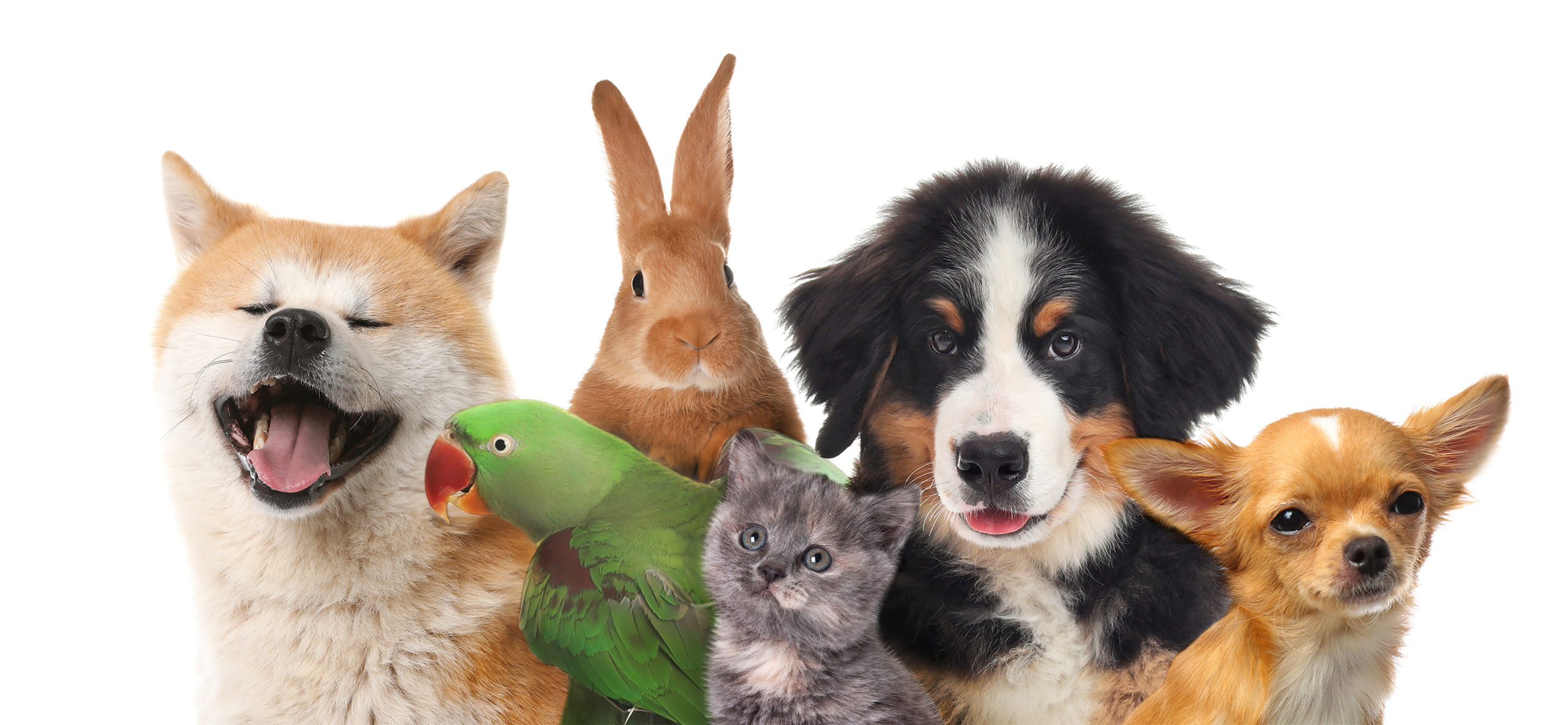
The salty air, the endless horizon, the promise of adventure… cruises offer an escape like no other. But before you set sail, ensuring your furry family members are safe and sound is paramount, especially if your travels involve convertible or open-top vehicles on the way to the port or during shore excursions. After all, a dream vacation starts with responsible planning for every member of your family!
This guide provides the insights you need to travel smartly with your pets when using convertible or open vehicles as part of your cruise adventure. We'll cover everything from essential safety measures to practical tips, helping you sidestep potential hazards and maximize the fun for both you and your beloved companions. Knowing these details allows you to confidently plan your cruise vacation, knowing you've considered every angle of your pet’s wellbeing.
Think about booking a pet-friendly hotel near the port the night before departure. This allows you to avoid a rushed morning and any potentially stressful car rides to the terminal, reducing the likelihood of needing to transport your pet in a less-than-ideal situation with a convertible.
Protecting Your Furry Friends in Open-Air Vehicles
Convertibles and open-top vehicles offer a unique way to experience the journey to your cruise departure point, but they also present specific risks to pets. Just like humans, animals need protection from the elements and the potential dangers of riding in a vehicle that doesn't offer the full security of an enclosed space. Let's dive into how to keep them safe.
Securing Your Pet is Key
Unrestrained pets in any vehicle, especially open ones, are a major safety hazard. In the event of a sudden stop or accident, they can be seriously injured or even ejected from the car. Furthermore, they can become a distraction for the driver, increasing the risk of an accident.
Invest in a high-quality pet carrier or a secure harness specifically designed for car travel. Carriers should be properly ventilated and anchored to the vehicle to prevent them from sliding around. Harnesses should be attached to a seatbelt or a similar restraint system. For smaller dogs and cats, a carrier is generally the safest option. Larger dogs may benefit from a harness and seatbelt combination, providing they have room to comfortably lie down or sit. No matter what you choose, acclimate your pet to the restraint well before the trip. Let them spend time in the carrier or wearing the harness at home, rewarding them with treats and praise to create a positive association.
Shielding Them from the Elements
The sun, wind, and even rain can be much harsher on pets in an open vehicle compared to those inside a regular car. Prolonged exposure to direct sunlight can lead to heatstroke, while strong winds can irritate their eyes and ears. Rain, of course, can quickly lead to discomfort and chills.
Always provide shade for your pet, even on seemingly mild days. A pet carrier with a sunshade or a blanket draped over part of their space can help. Ensure they have access to fresh water at all times to prevent dehydration. Consider pet-safe sunscreen for exposed skin, especially on their nose and ears. Dog goggles, also known as "doggles," can protect their eyes from wind and debris. Finally, check the weather forecast before you head out and be prepared to adjust your plans if conditions are unfavorable. If it's too hot, too cold, or too windy, it's best to leave your pet at home or find an alternative mode of transportation.
Mind the Speed and Duration
Even with proper restraints and protection from the elements, prolonged exposure to high speeds in an open vehicle can be stressful for pets. The noise, wind, and constant motion can be overwhelming, leading to anxiety and discomfort.
Keep your speed moderate and take frequent breaks. Stop every hour or two to allow your pet to stretch their legs, relieve themselves, and get some fresh air. Choose rest stops that offer shade and water sources. Be mindful of the temperature of the pavement; hot asphalt can burn their paws. Aim for shorter trips whenever possible. If you have a long distance to travel, consider breaking it up into multiple days or exploring alternative transportation options that are more comfortable for your pet.
Which pets are not suited for open vehicle travel?
Brachycephalic breeds (those with flat faces), such as Bulldogs, Pugs, and Persian cats, are particularly vulnerable to heatstroke and breathing difficulties. Senior pets, puppies, and those with pre-existing health conditions should also be carefully considered. Consult with your veterinarian before planning any open-air travel with your pet, especially if they fall into one of these categories. Your vet can provide personalized recommendations based on your pet's specific needs and health status.
Are there any states that restrict traveling with an animal in an open vehicle?
It's essential to research and comply with all applicable laws and regulations regarding pet travel in your departure state and any states you will be traveling through. Some states have specific laws about pets riding in the back of open vehicles. These laws are in place for the safety of both the animal and other drivers on the road. A quick online search for "[state name] pet travel laws" can provide the information you need.
Choosing the Right Gear for a Safe Ride
Selecting the right equipment is crucial for ensuring your pet's safety and comfort during travel in an open vehicle. Not all pet carriers and harnesses are created equal, and it's important to invest in high-quality products that are specifically designed for car travel.
Pet Carriers: Size, Ventilation, and Security
When choosing a pet carrier, size is a primary consideration. The carrier should be large enough for your pet to stand up, turn around, and lie down comfortably. However, it shouldn't be so large that they can slide around during turns or sudden stops. Ventilation is also critical. Look for carriers with ample mesh panels to allow for proper airflow. This is particularly important in warm weather.
Security is paramount. The carrier should be made of durable materials and have a secure latching mechanism to prevent your pet from escaping. Many carriers also come with straps that allow you to secure them to a seatbelt, further enhancing their stability and safety. Hard-sided carriers generally offer more protection than soft-sided ones, especially in the event of an accident.
Harnesses: Fit, Comfort, and Restraint
If you opt for a harness, choose one that fits snugly but doesn't restrict your pet's movement or breathing. Look for harnesses made of breathable materials to prevent overheating. The harness should have multiple adjustment points to ensure a secure and comfortable fit.
The harness should attach to a seatbelt or a similar restraint system. Avoid using a leash to restrain your pet, as it can easily become tangled or cause injury in the event of a sudden stop. Car-specific pet harnesses are available and designed to safely distribute force across your pet's chest in the event of an accident. Be sure to properly adjust the harness and familiarize your pet with wearing it before your trip.
Don't Forget the Essentials
Beyond carriers and harnesses, there are a few other essential items to bring along for your pet's comfort and safety. Pack a collapsible water bowl and plenty of fresh water to keep them hydrated. Bring their favorite blanket or toy to provide comfort and reduce anxiety. Don't forget poop bags and a leash for bathroom breaks. A pet first-aid kit can also be a valuable addition to your travel gear, allowing you to address minor injuries or ailments on the go.
What features should I look for in a pet car seat?
Pet car seats often have a raised design that allows smaller dogs to see out the window. They also typically include a tether that attaches to your pet's harness, preventing them from jumping out of the seat. Look for car seats made of durable, easy-to-clean materials and that are compatible with your vehicle's seatbelts. Some even come with storage pockets for treats, toys, and other essentials.
How can I make my pet feel more comfortable in a car carrier?
Acclimatize your pet to the carrier gradually. Start by leaving the carrier open in a familiar room and placing treats or toys inside to encourage them to explore it. Once they're comfortable entering the carrier, start feeding them meals inside. Gradually increase the amount of time they spend in the carrier, eventually closing the door for short periods. Take them on short car rides in the carrier, gradually increasing the duration of the trips. Throughout the process, reward them with praise and treats to create a positive association with the carrier.
Before You Go: Final Checks and Considerations
Before embarking on your cruise adventure with your pet, it's important to conduct a final check to ensure you've covered all your bases. This includes verifying their health, packing all necessary supplies, and confirming pet policies at your destination.
Health Check and Documentation
Schedule a check-up with your veterinarian to ensure your pet is healthy enough for travel. Discuss any potential health concerns and obtain any necessary vaccinations or medications. Ask your vet for a copy of your pet's health records, as these may be required at certain destinations or in case of an emergency. Consider microchipping your pet if they aren't already. This can significantly increase the chances of reuniting with them if they get lost.
Packing Checklist
Create a packing list to ensure you don't forget any essential items. This should include their food, water, bowls, leash, collar with ID tags, carrier or harness, bedding, toys, poop bags, medications, first-aid kit, and any necessary documentation. It's also a good idea to pack a photo of your pet in case they get lost. Store these items in an easily accessible bag or container, so you can quickly grab what you need during travel.
Destination Pet Policies
Before you arrive at your cruise departure point or plan any shore excursions, research and confirm the pet policies of any hotels, parks, or other establishments you plan to visit. Some places may have restrictions on the types of animals allowed, while others may require proof of vaccination or charge additional fees. Contact the establishments directly to clarify their policies and avoid any surprises.
Remember to always prioritize your pet's well-being. If at any point during the trip they seem uncomfortable or stressed, adjust your plans accordingly. A safe and enjoyable trip is one where everyone, including your furry friends, feels happy and secure.
Planning a cruise with pets and convertible vehicles might seem complex, but with careful preparation and the right knowledge, you can ensure a smooth and enjoyable experience for everyone. By focusing on safety, comfort, and responsible pet ownership, you can create memories that will last a lifetime. So, pack your bags, gather your furry companions, and prepare for an unforgettable cruise adventure!
Posting Komentar untuk "Pet Safety for Convertible and Open Vehicles"