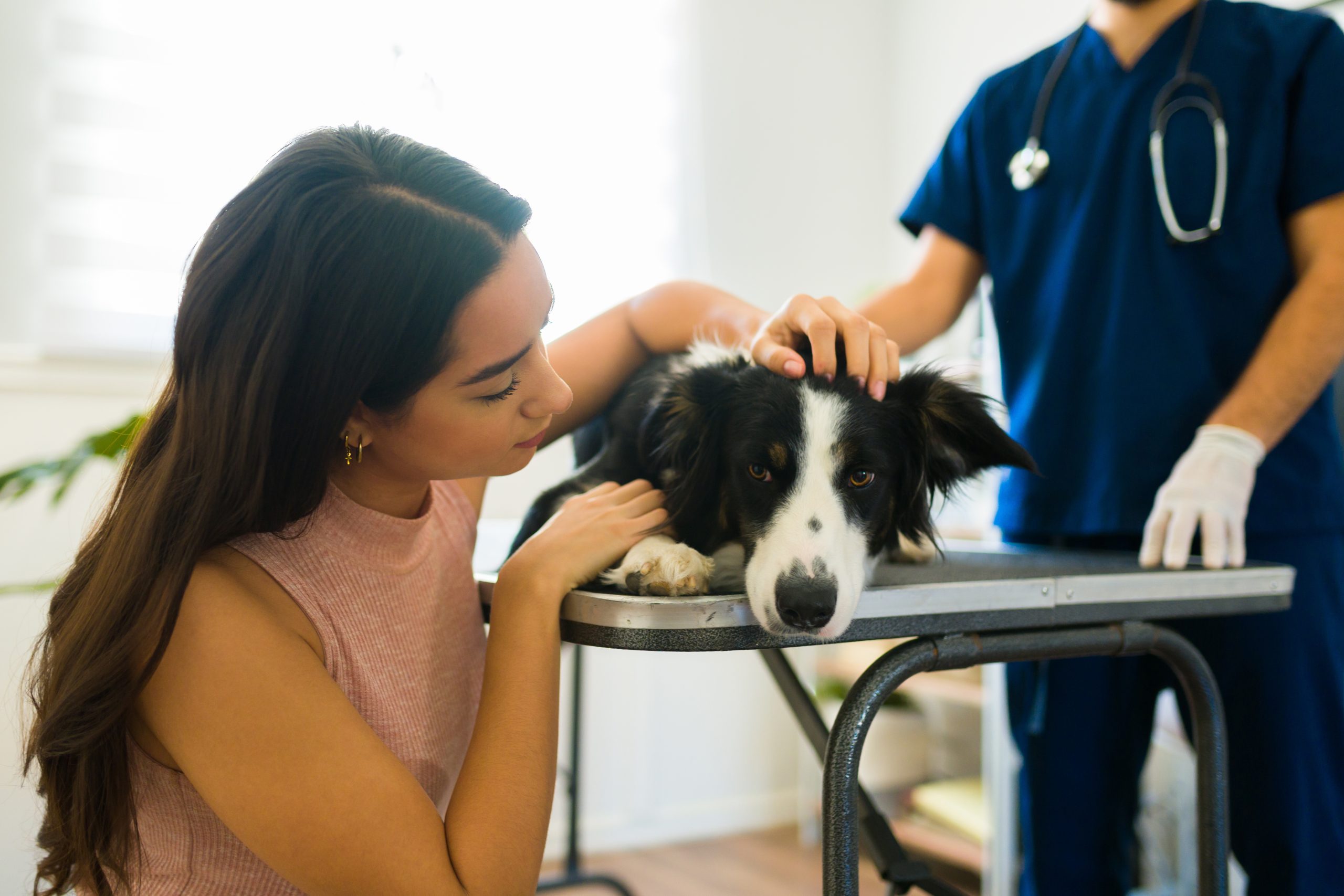
Imagine yourself on the sun deck, a gentle breeze in your hair, the vast ocean stretching before you. The only thing missing? The peace of mind knowing your furry family member is safe and sound, no matter what. Cruises are all about relaxation and adventure, and that should extend to your pet’s well-being too!
That's why we've created this guide to help you handle emergency vet visits while traveling. We’ll cover everything from pre-trip preparations to navigating unfamiliar veterinary systems, ensuring your cruise vacation remains a dream come true, not a stressful ordeal. Knowing how to prepare and react can make all the difference in ensuring a happy and healthy journey for everyone.
One practical tip for smoother sailing? Before you even book your cruise, research pet-friendly options near your ports of call. Compile a list of veterinary clinics, animal hospitals, and emergency services, noting their contact information and hours. Store this information digitally and print a hard copy – you never know when you might need it!
Preparing for the Unexpected: Pre-Cruise Vet Care
Just as you’d pack your own first-aid kit, preparing for pet emergencies before you leave home is crucial. Think of it as your pet's personalized health passport for adventure!
Start with a thorough check-up with your regular veterinarian. Discuss your travel plans, including the cruise itinerary and any potential health concerns related to the destinations you'll be visiting. This allows your vet to identify potential risks and provide preventative care, such as vaccinations, parasite control, or medications for motion sickness (yes, pets can get seasick!).
Obtain a copy of your pet's medical records, including vaccination history, any existing medical conditions, and a list of medications they are currently taking. Keep this documentation readily accessible, both digitally and in a secure, waterproof pouch. Having this information readily available will save precious time and provide crucial information to a new vet in an emergency.
Don’t forget a well-stocked pet first-aid kit. Include essentials like antiseptic wipes, bandages, gauze pads, adhesive tape, antibiotic ointment, a pet-safe thermometer, tweezers, and any medications your pet requires. It's also a good idea to pack a small syringe for administering oral medications and a cone collar to prevent licking at wounds.
What should my pet first-aid kit include?
Your pet first-aid kit should be tailored to your pet’s specific needs but generally include:
Antiseptic wipes or solution (e.g., chlorhexidine)
Bandages (various sizes)
Gauze pads (sterile and non-sterile)
Adhesive tape
Antibiotic ointment
Pet-safe thermometer
Tweezers
Emergency contact information (your vet, local animal hospitals)
Any prescription medications your pet takes
Navigating Veterinary Care in Unfamiliar Ports
Arriving in a new port can be exciting, but if your pet needs medical attention, it's vital to act quickly and effectively. Having a plan in place before you disembark can make all the difference.
Before your cruise, research pet-friendly veterinary options in each of your ports of call. Compile a list of clinics, animal hospitals, and emergency services, along with their contact information, addresses, and hours of operation. Save this information on your phone, tablet, or laptop, and also print a hard copy for easy access.
Upon arrival in port, confirm the location and contact details of your chosen veterinary clinic. If you're unsure, ask the cruise line's concierge or guest services for assistance. They may have recommendations or partnerships with local veterinary providers.
When seeking veterinary care in a new location, be prepared to communicate clearly and concisely about your pet's condition. Provide a detailed description of the symptoms you've observed, any relevant medical history, and the medications your pet is currently taking. Show the vet the medical records you brought with you. Don't hesitate to ask questions and seek clarification about the diagnosis, treatment plan, and associated costs.
If your pet requires ongoing treatment or follow-up care, ensure you have a clear understanding of the recommended course of action and any necessary documentation for your return home. If possible, obtain a written report from the veterinarian summarizing your pet's condition, treatment, and prognosis. This will be invaluable when you consult with your regular veterinarian after your cruise.
How do I find a reputable vet in a foreign port?
Pre-cruise research: Utilize online resources like the International Association for Medical Assistance to Travelers (IAMAT) or the World Small Animal Veterinary Association (WSAVA) to find accredited veterinary clinics in your ports of call. Cruise line recommendations: Ask the cruise line's concierge or guest services for recommendations. They often have partnerships with local veterinary providers. Online reviews: Check online reviews and ratings of veterinary clinics in the area. Look for clinics with positive feedback and a good reputation. Embassy or consulate assistance: Contact your country's embassy or consulate in the port city. They may be able to provide a list of trusted veterinary services.
Understanding Cruise Line Pet Policies and Resources
While most large cruise lines don't allow pets (except for service animals), understanding their policies regarding animals is essential. These policies often cover things like documentation requirements for service animals, designated relief areas, and specific rules about where animals are allowed on board.
Familiarize yourself with the cruise line's policies before your cruise. This will help you avoid any misunderstandings or issues during your voyage. Contact the cruise line directly to confirm their policies and ask any questions you may have.
Even if your pet is not allowed on board, the cruise line may be able to provide resources or recommendations for pet-friendly services in the ports you'll be visiting. They may have partnerships with local kennels, pet sitters, or veterinary clinics. Don't hesitate to inquire about these resources when planning your cruise.
If you are traveling with a service animal, be sure to have all the necessary documentation and identification to ensure smooth boarding and access to all areas of the ship. Contact the cruise line well in advance of your cruise to discuss your needs and make any necessary arrangements.
What documentation is required for service animals on a cruise?
Typically, you'll need: Veterinary health certificate: Confirming the animal is healthy and up-to-date on vaccinations. Identification: Clearly identifying the animal as a service animal. This could be through a vest, harness, or identification card. Documentation of training: Some cruise lines may require documentation of the animal's training as a service animal. Airline documentation (if applicable): If you're flying to or from your cruise departure or arrival city, you'll need to comply with airline regulations for service animals.
Insurance and Emergency Planning: Protecting Your Pet's Health
Pet insurance can be a lifesaver when unexpected medical expenses arise. Before your cruise, review your pet insurance policy to ensure it covers emergency veterinary care while traveling. Some policies may have limitations or exclusions, so it's important to understand the terms and conditions. If your current policy doesn't provide adequate coverage, consider purchasing a travel insurance policy that specifically covers pet emergencies.
In addition to pet insurance, create an emergency plan that outlines the steps you'll take if your pet becomes ill or injured during your cruise. This plan should include:
Contact information for your regular veterinarian and local emergency veterinary services.
A list of your pet's medications and any existing medical conditions.
Instructions for administering medications or providing first aid.
A designated emergency contact person who can make decisions on your behalf if you're unable to do so.
Share your emergency plan with a trusted friend or family member and keep a copy with you during your cruise. Having a well-defined plan will help you stay calm and focused in a stressful situation.
What are the benefits of travel insurance for pets?
Travel insurance for pets can offer peace of mind by covering:
Emergency veterinary care costs incurred while traveling.
Cancellation or interruption of your trip due to a pet's illness or injury.
Costs associated with returning your pet home if you're unable to continue your trip.
Loss of or damage to your pet's belongings.
Returning Home: Post-Cruise Veterinary Follow-Up
After your cruise, it's essential to schedule a follow-up appointment with your regular veterinarian, especially if your pet received medical treatment during the trip. Share the details of any veterinary care your pet received, including the diagnosis, treatment plan, and medications prescribed. Provide your veterinarian with a copy of the written report you obtained from the veterinarian in port.
Your veterinarian will assess your pet's condition and make any necessary adjustments to their treatment plan. They may also recommend additional tests or procedures to ensure your pet has fully recovered. Be sure to follow your veterinarian's instructions carefully and administer any prescribed medications as directed.
Monitor your pet closely for any signs of recurring illness or new health concerns. If you notice anything unusual, contact your veterinarian immediately. With proper post-cruise care and attention, you can help your pet recover quickly and fully, ensuring they remain healthy and happy for many years to come.
What are the signs my pet needs to see the vet after a cruise?
Look out for these signs:
Lethargy or decreased energy levels
Loss of appetite or changes in eating habits
Vomiting or diarrhea
Coughing, sneezing, or difficulty breathing
Skin irritation or hair loss
Changes in behavior or temperament
Limping or difficulty moving
With a little planning and preparation, you can navigate the challenges of pet ownership while traveling, ensuring that your cruise vacation is a memorable and enjoyable experience for everyone. So go ahead, book that cruise, pack your bags, and embark on an unforgettable adventure with your beloved companion, knowing you're prepared for anything that comes your way. The world awaits, and you and your furry friend are ready to explore it together!
Posting Komentar untuk "Handling Emergency Vet Visits on the Road"